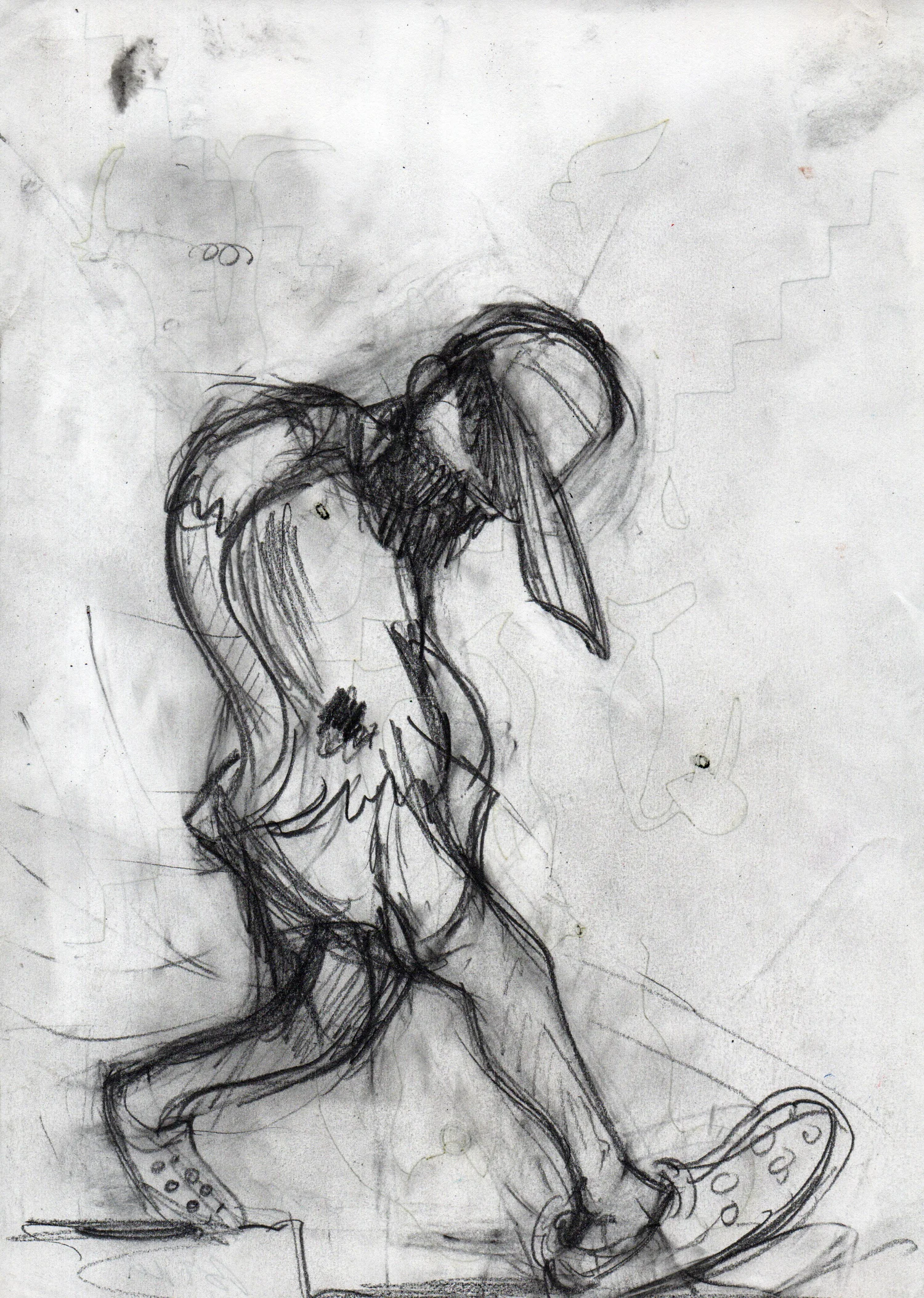
CALLEJERO by Andrew Birk at Anonymous Gallery, Mexico City
February 6th - March 26th, 2016
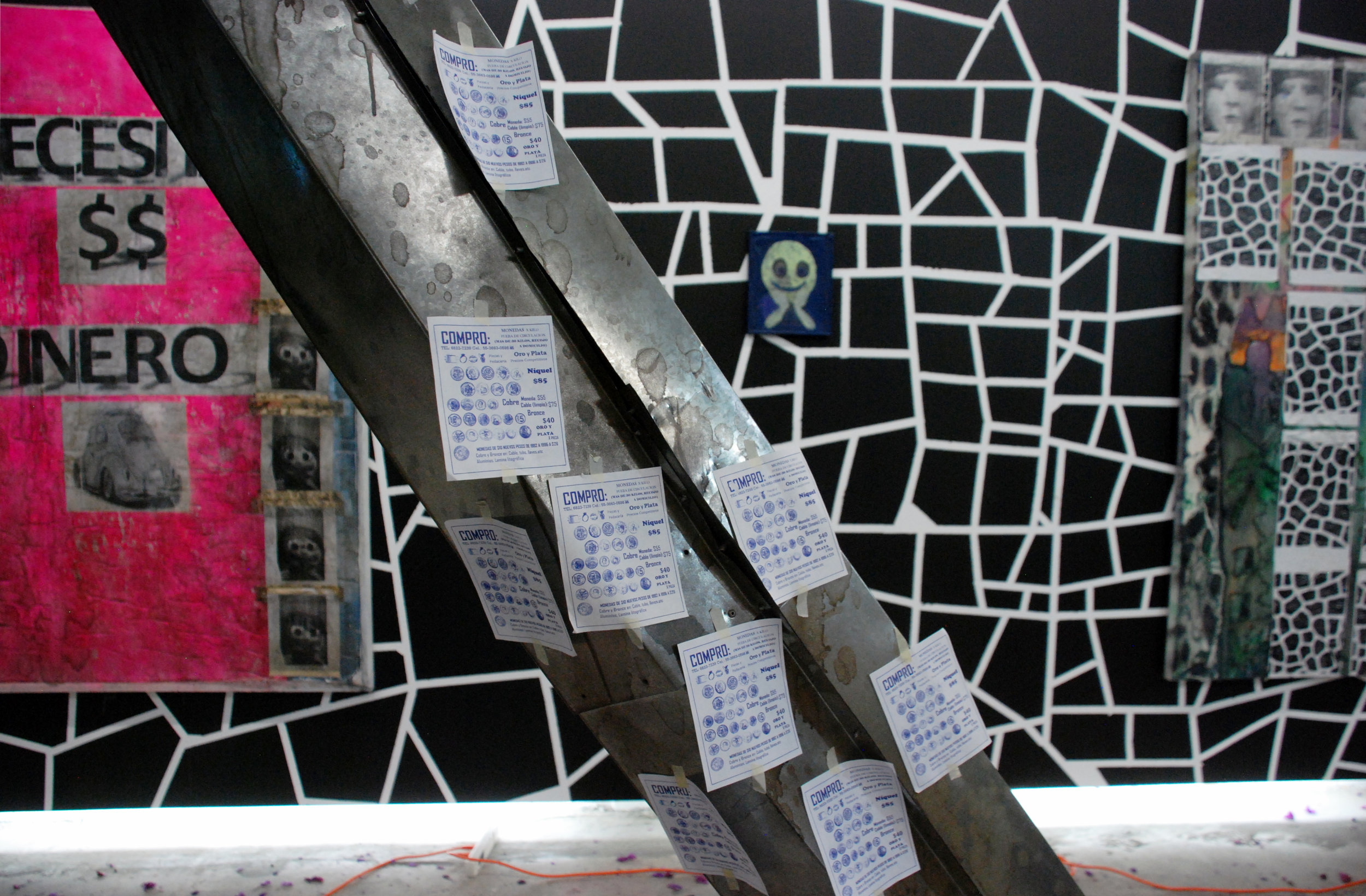
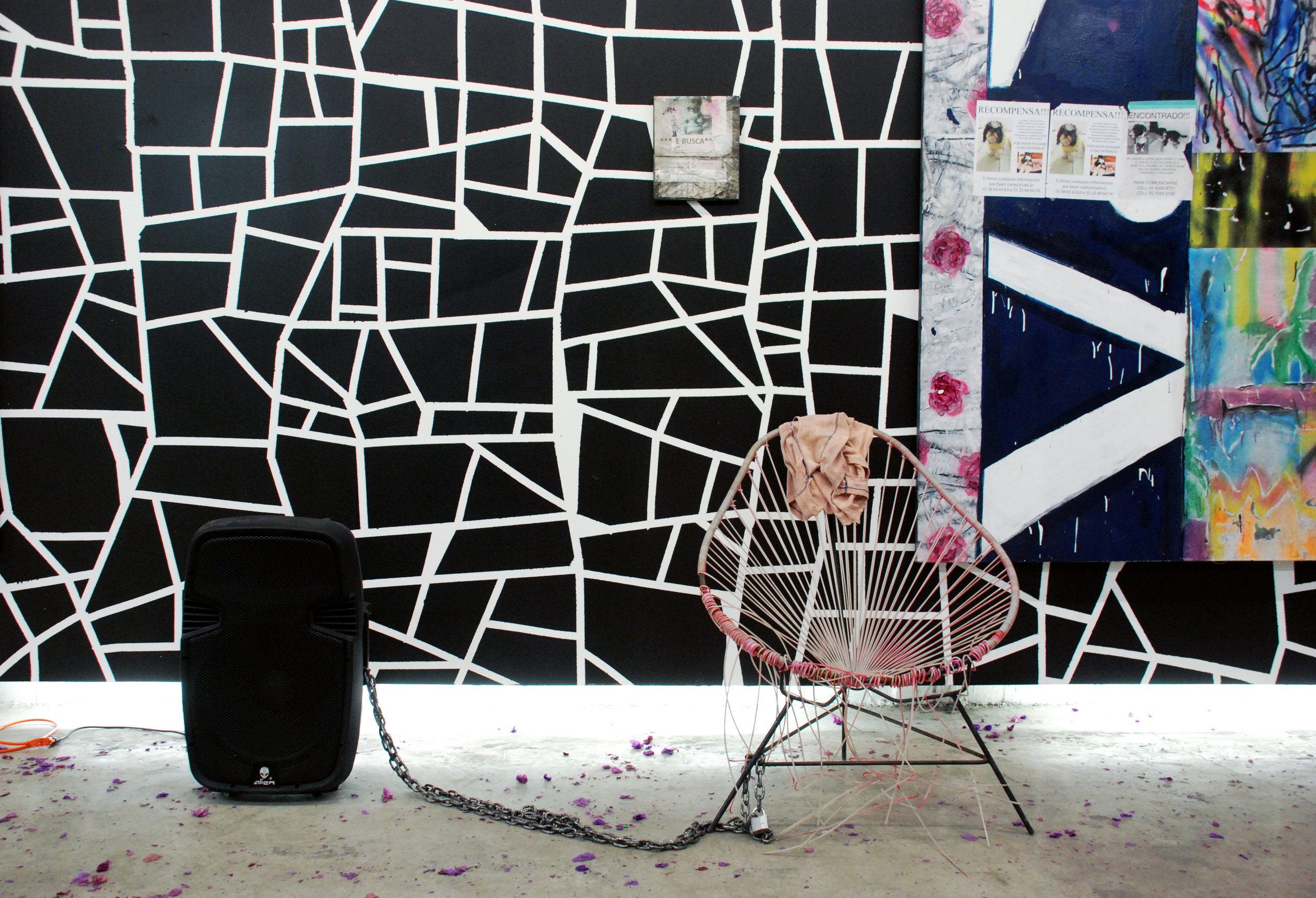
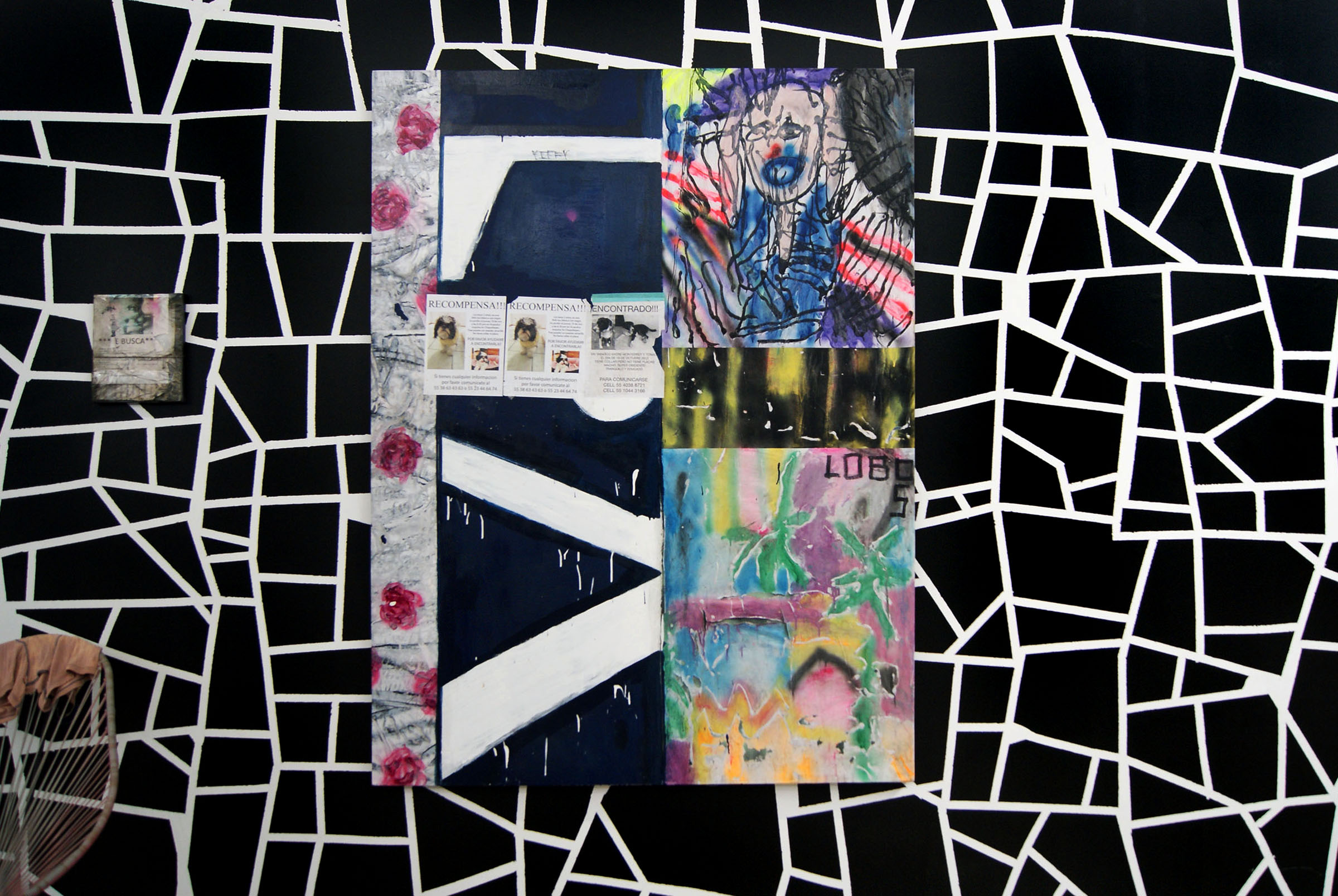
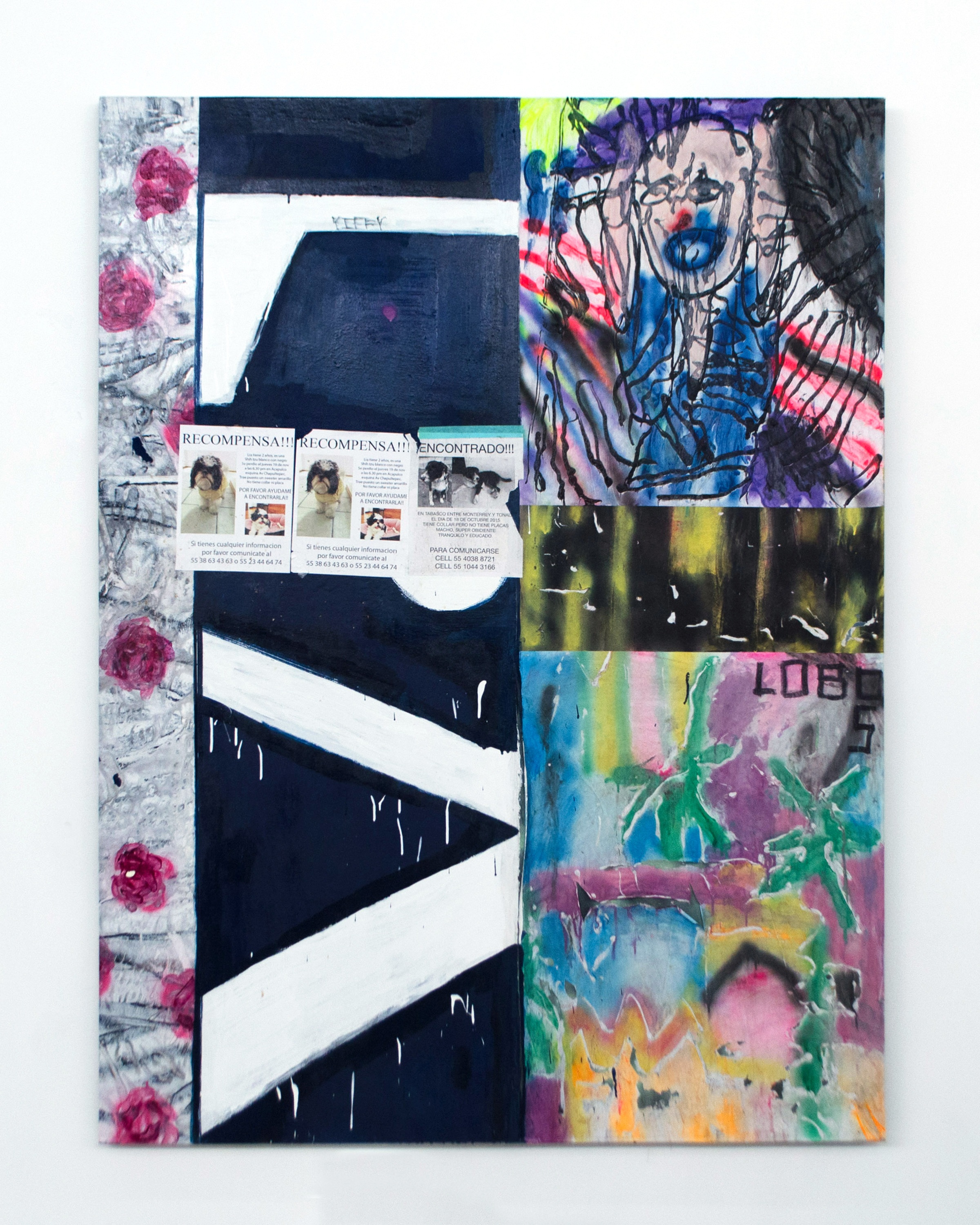
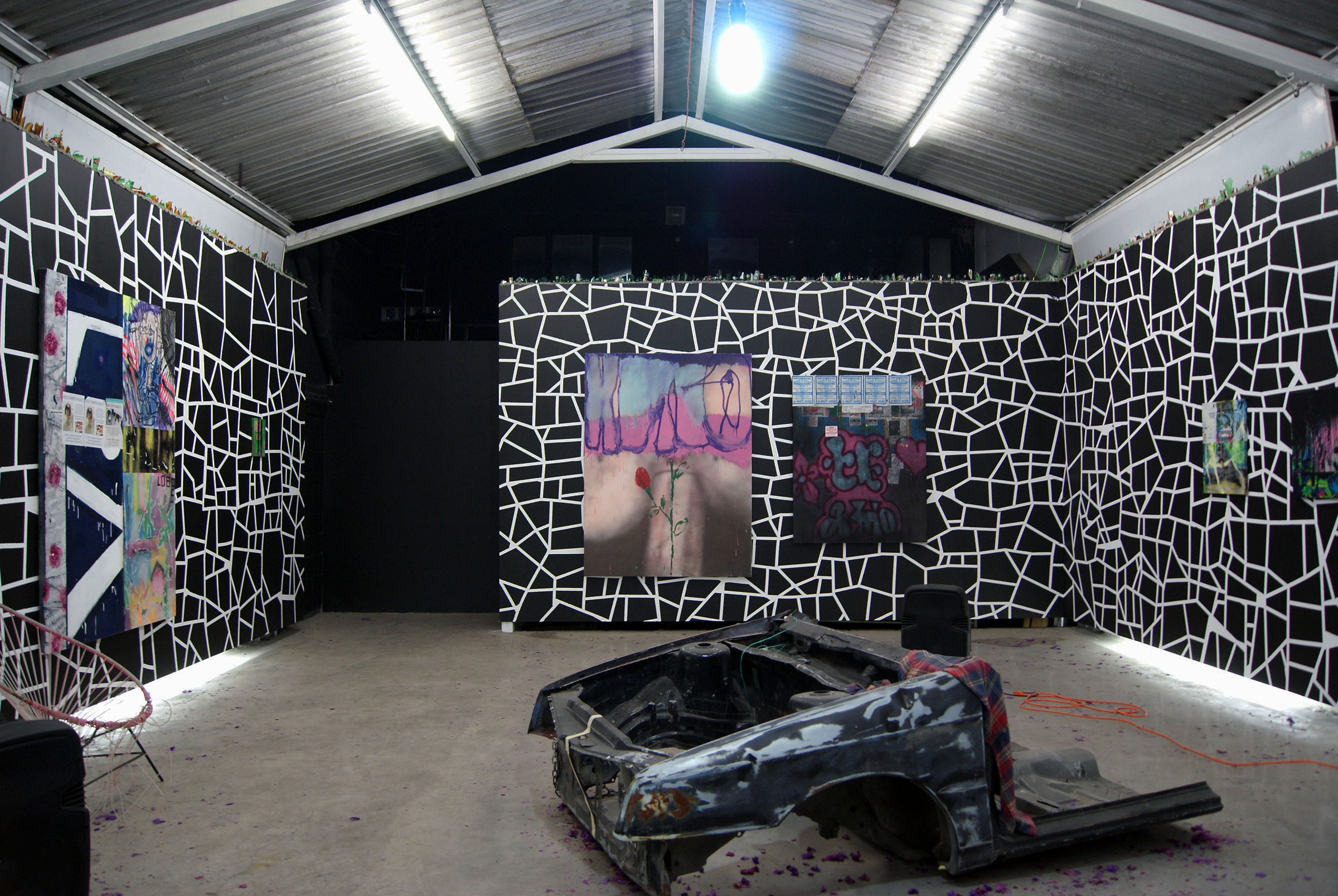
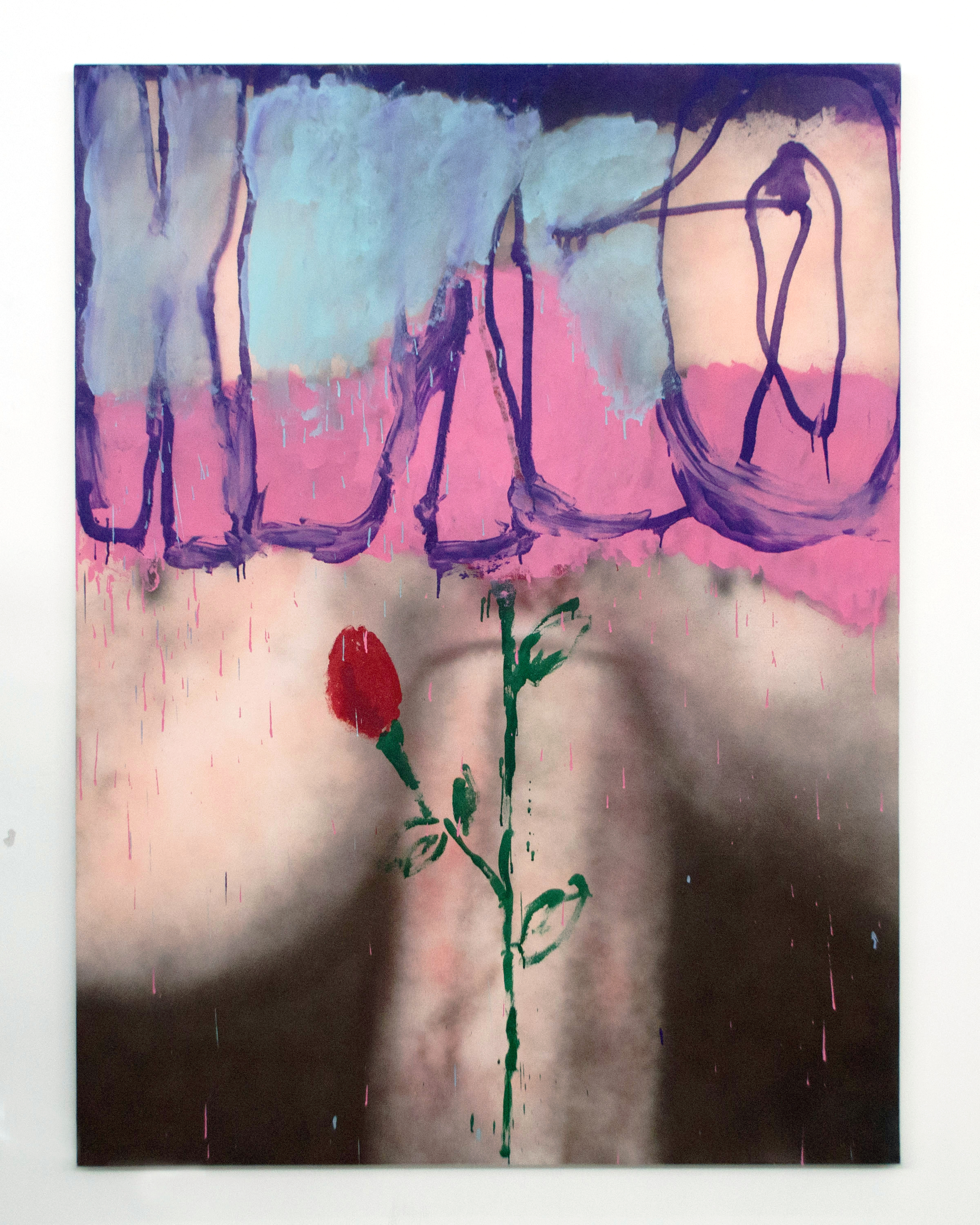
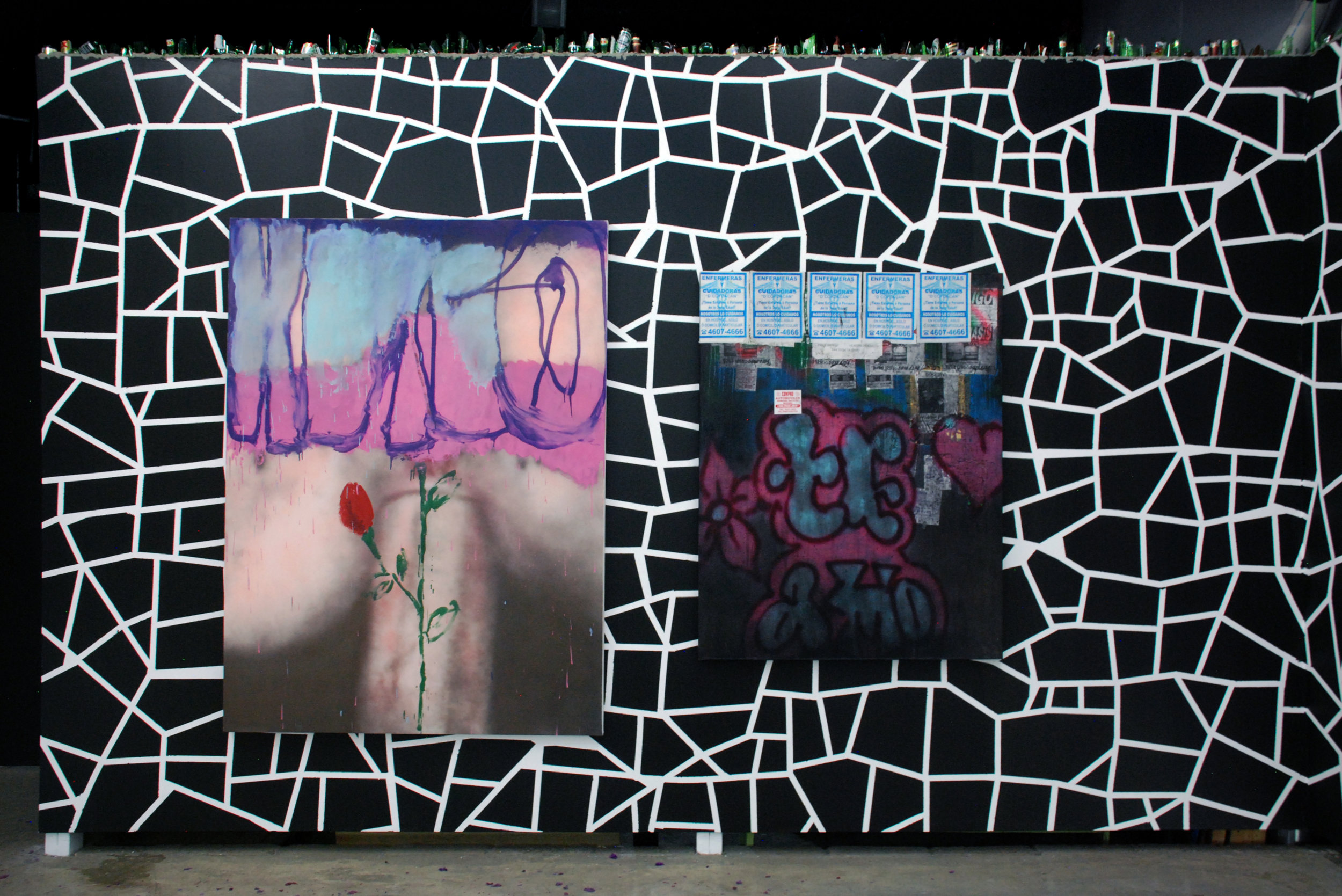
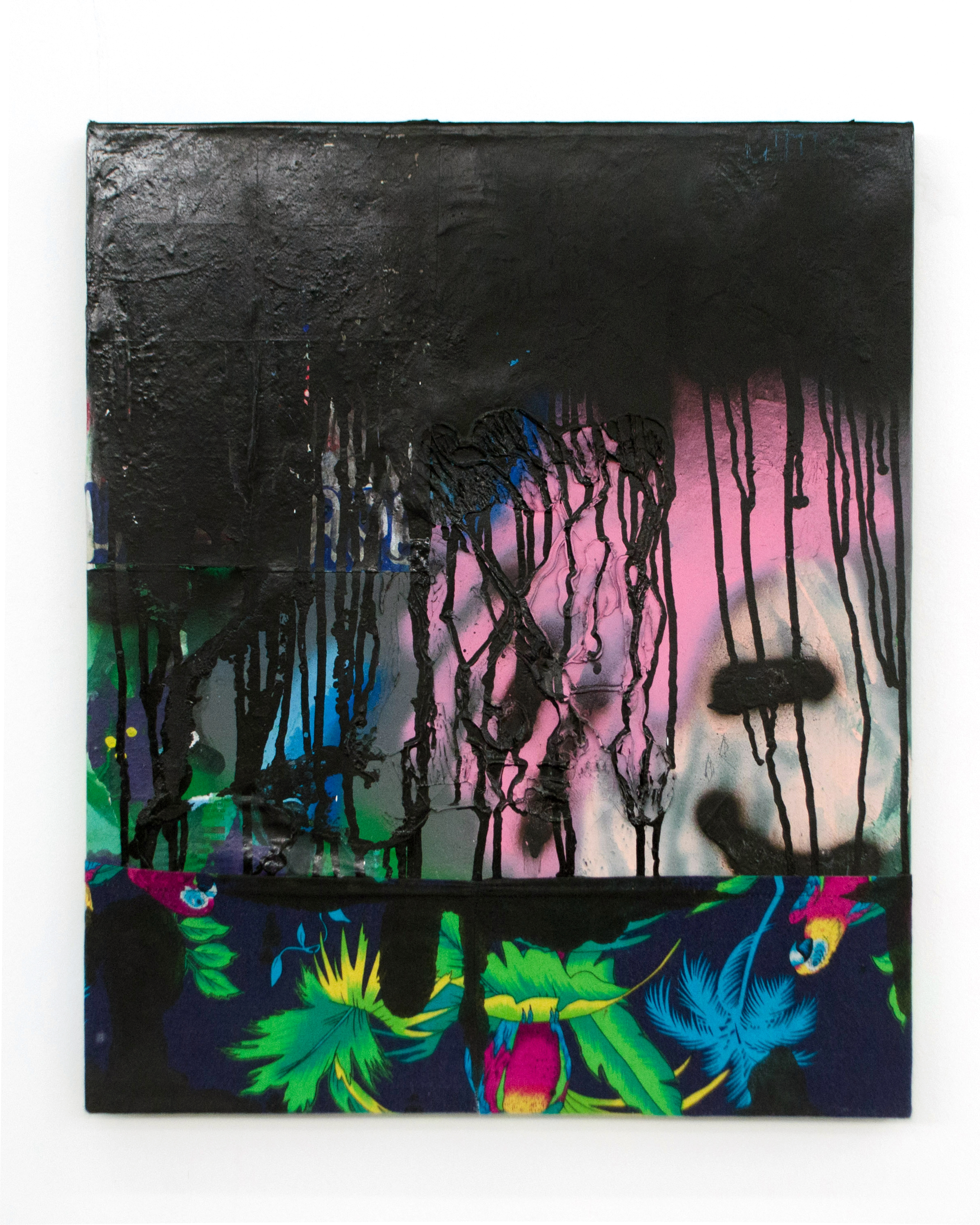
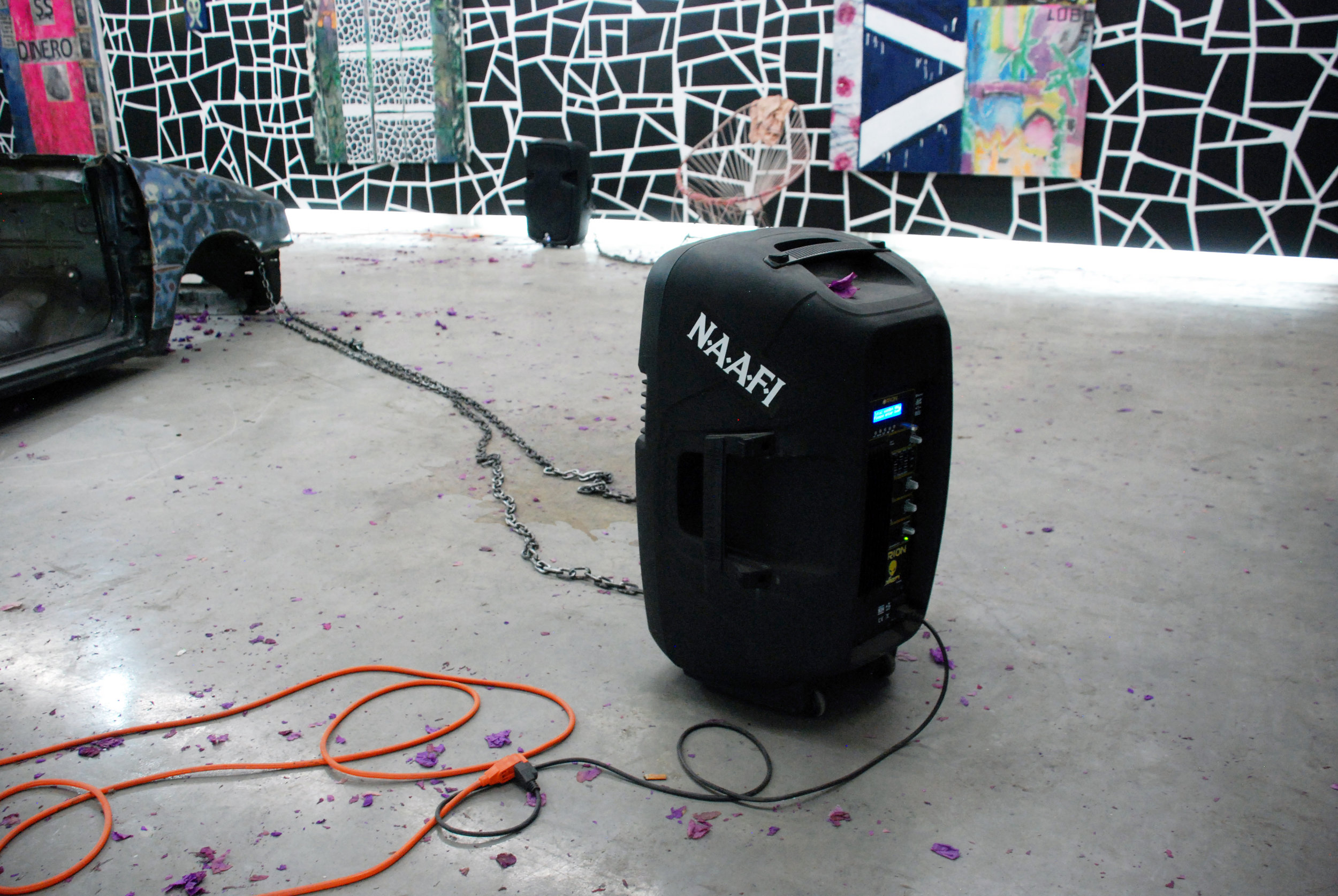
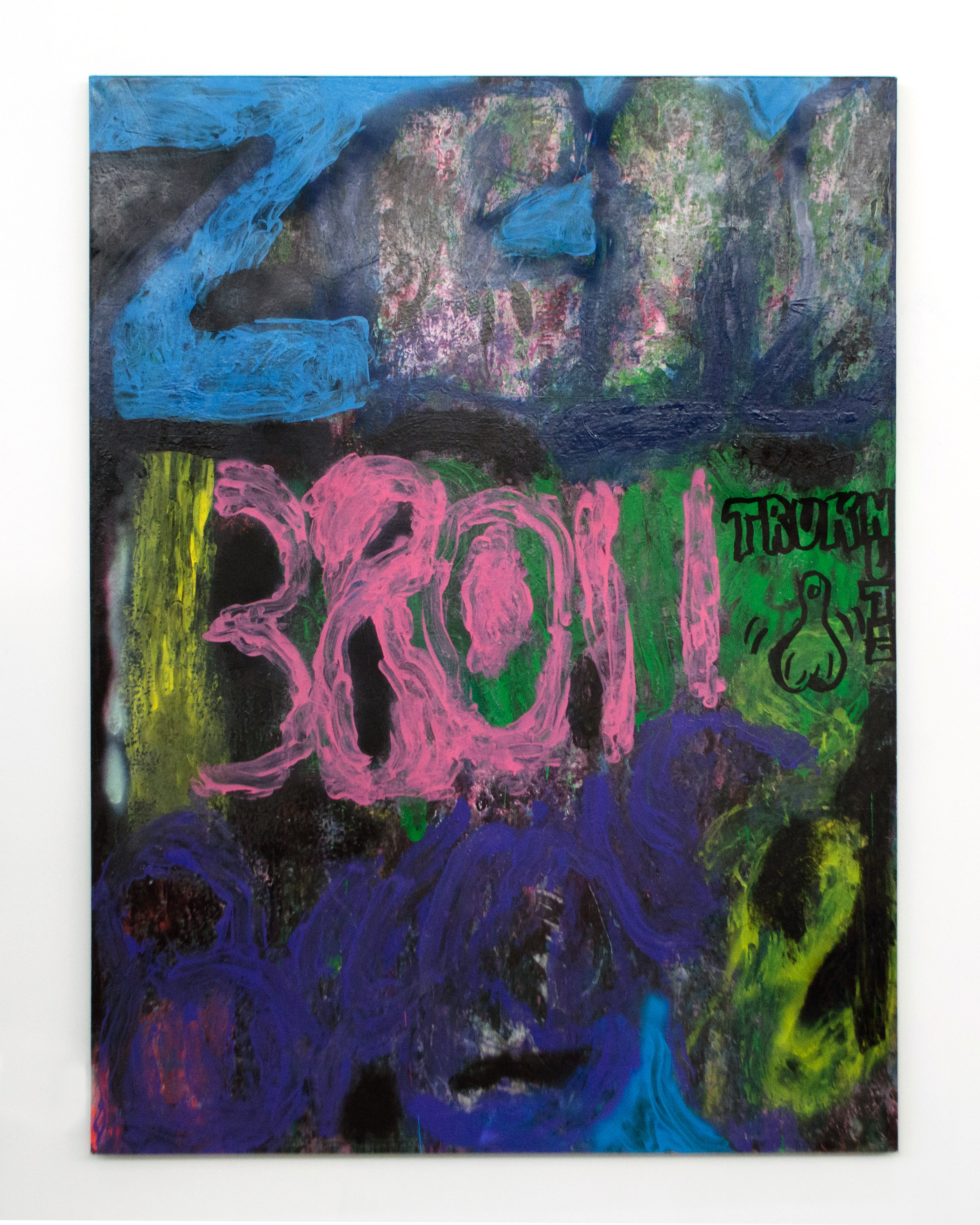
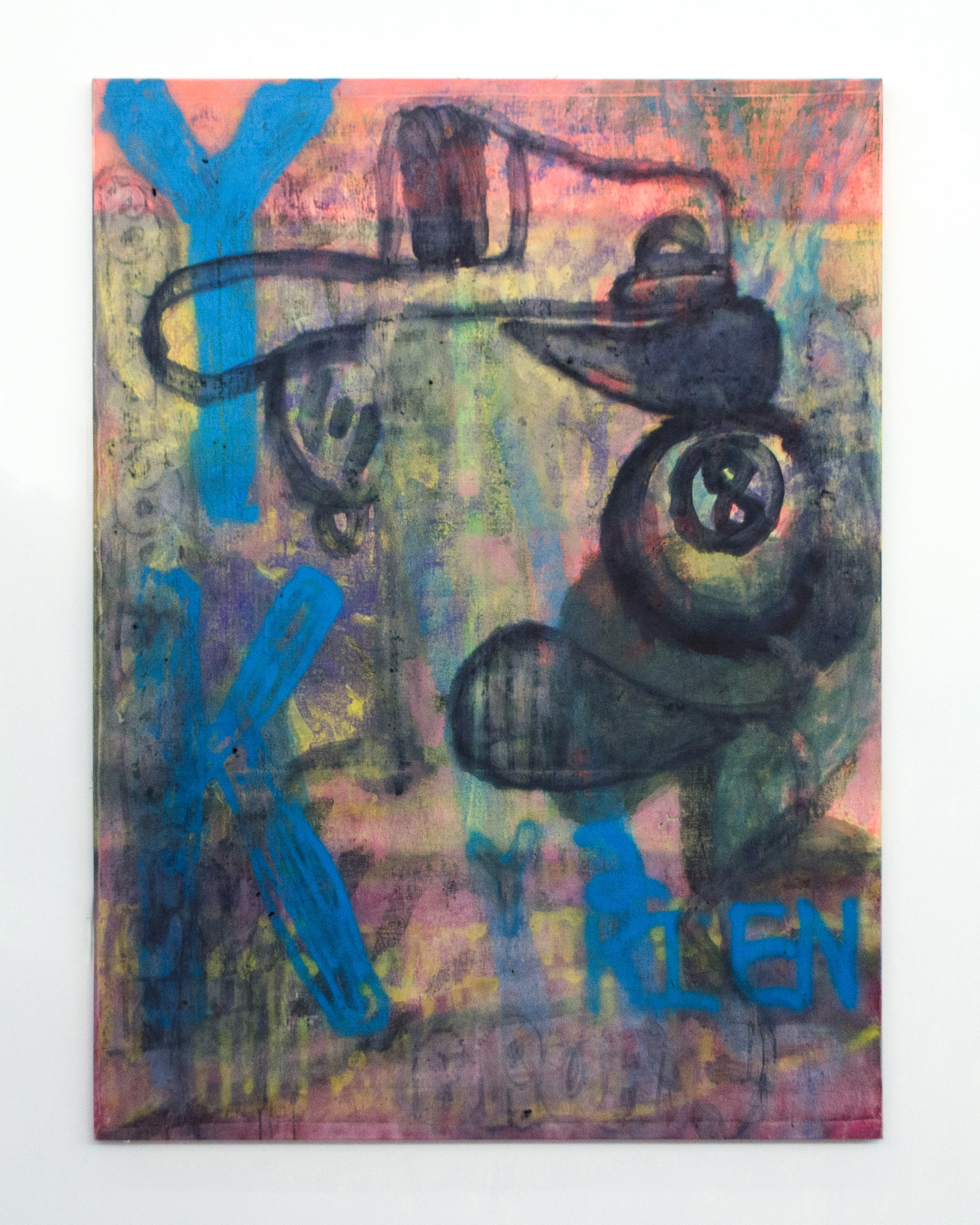
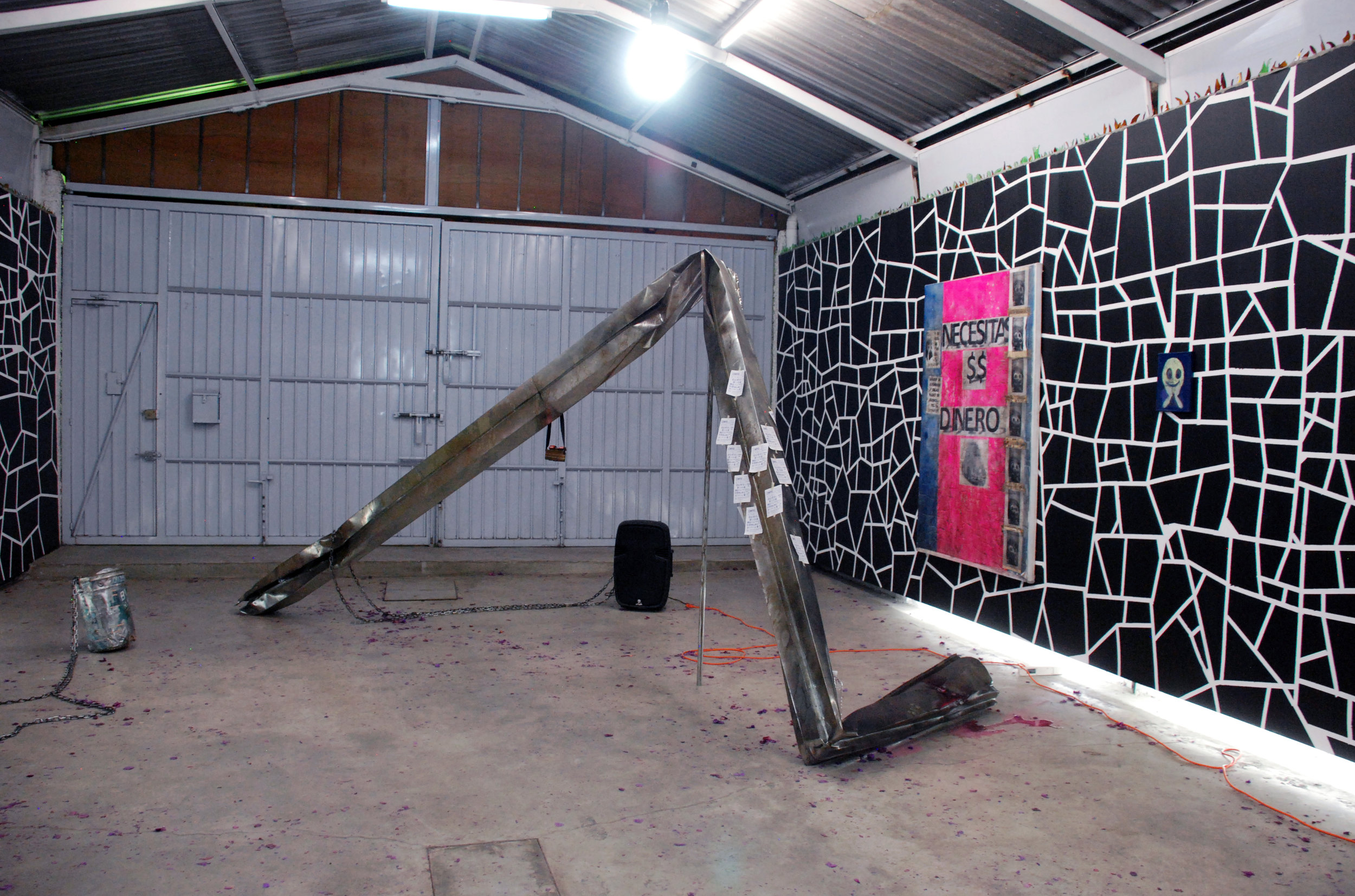
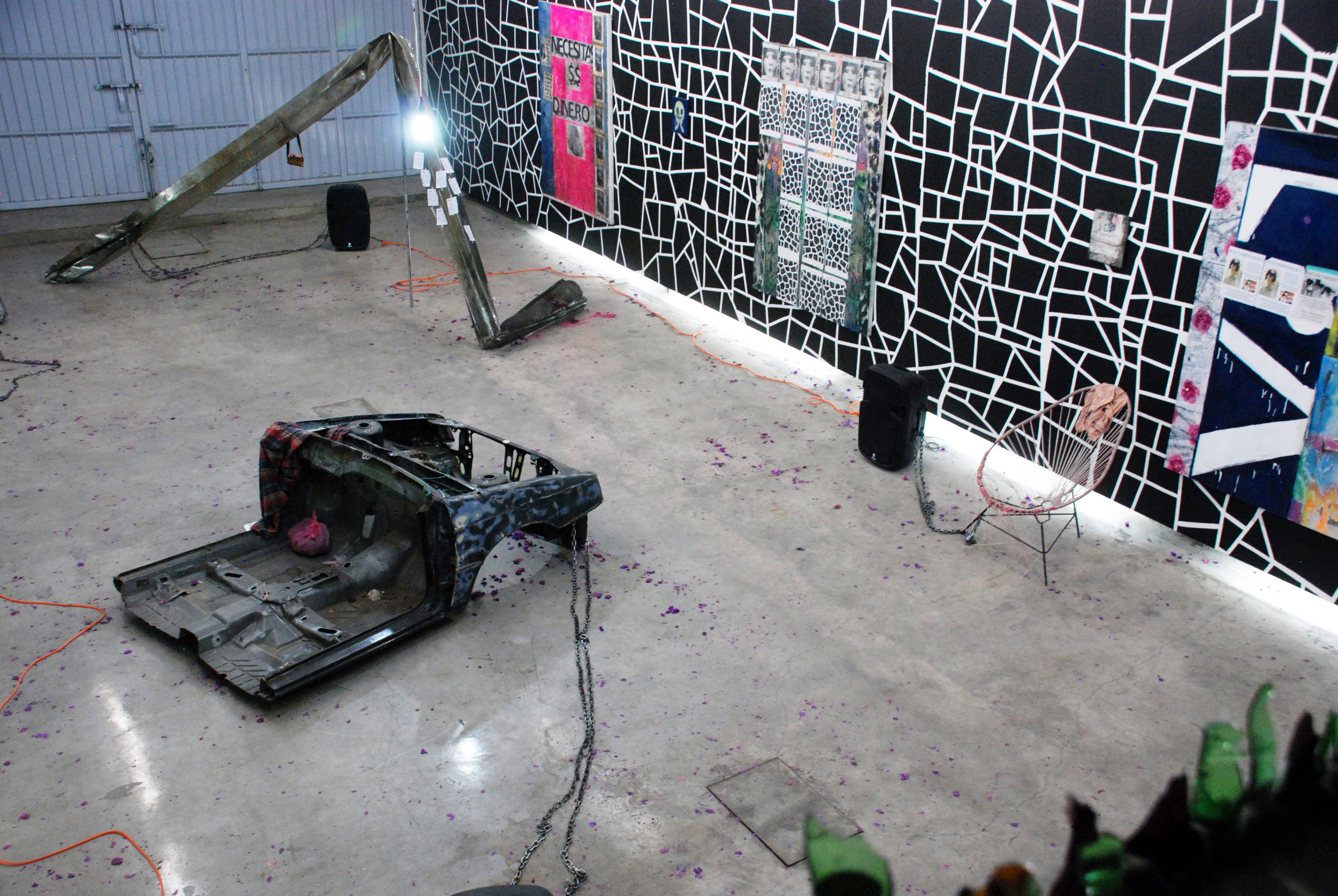
Andrew Birk is an enthusiast of Mexico City. For years, he has obsessively captured images using his phone. The photographs on his Instagram account offer unique views and fragments of the city, through which he seeks to emphasize affinities with contemporary art approaches and highlight a certain persistence of painting—a logical focus, given that painting is central to his artistic practice. Callejero is a large-scale project that aims, through painting, to represent an image of the city composed of distinct fragments—much like those captured in his photographs. However, Birk’s work transcends mere representation or stage-like scenography. While largely rooted in an exploration of the medium of painting, Callejero moves beyond the two-dimensional, offering a powerful sensory experience. The paintings and various objects create a complex environment, enhanced by diverse stimuli such as audio and lighting. Through the execution of his works and the arrangement of the objects, he succeeds in bringing the city’s dense, gritty, polluted—and at times hostile—materiality into the scene.
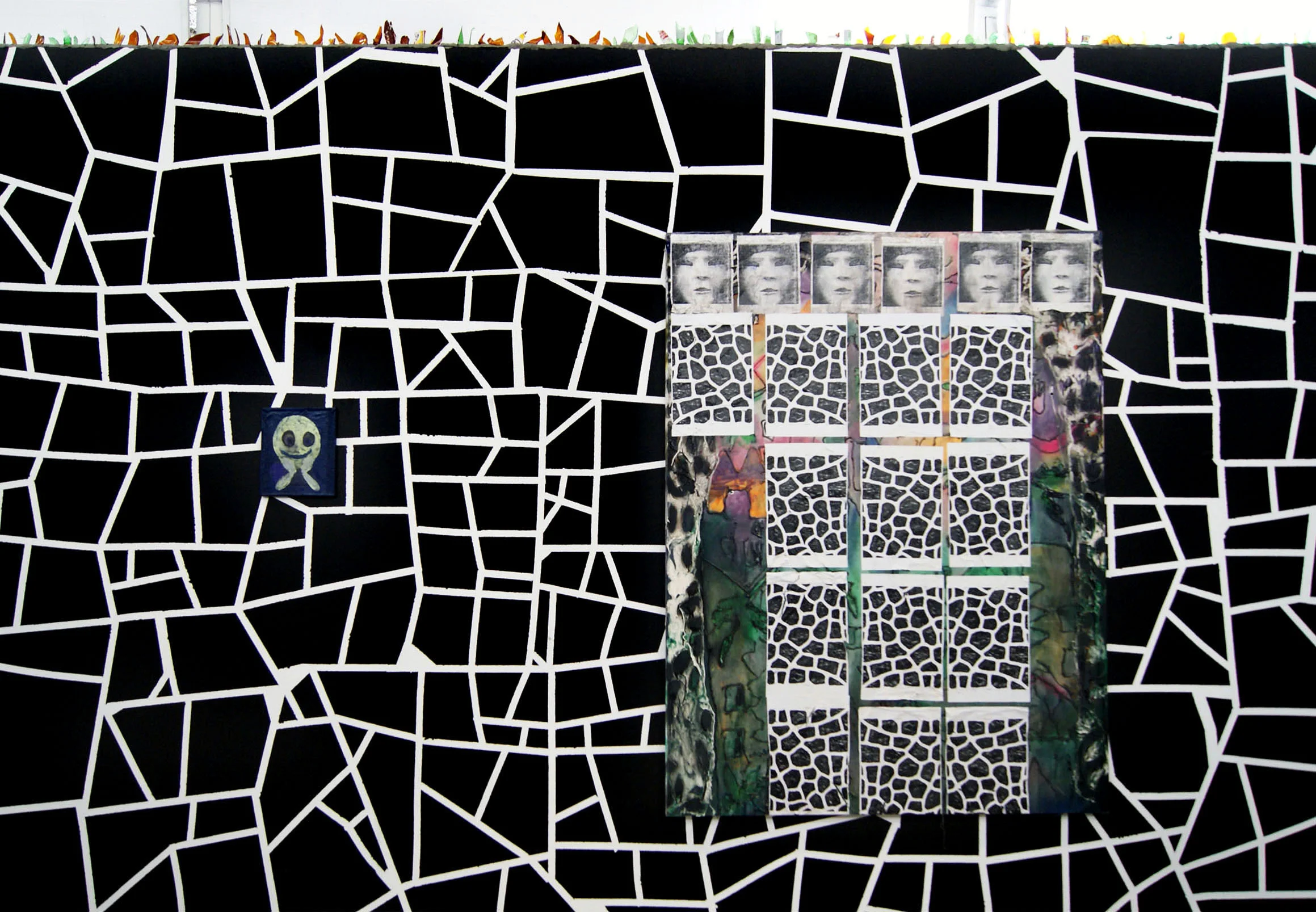
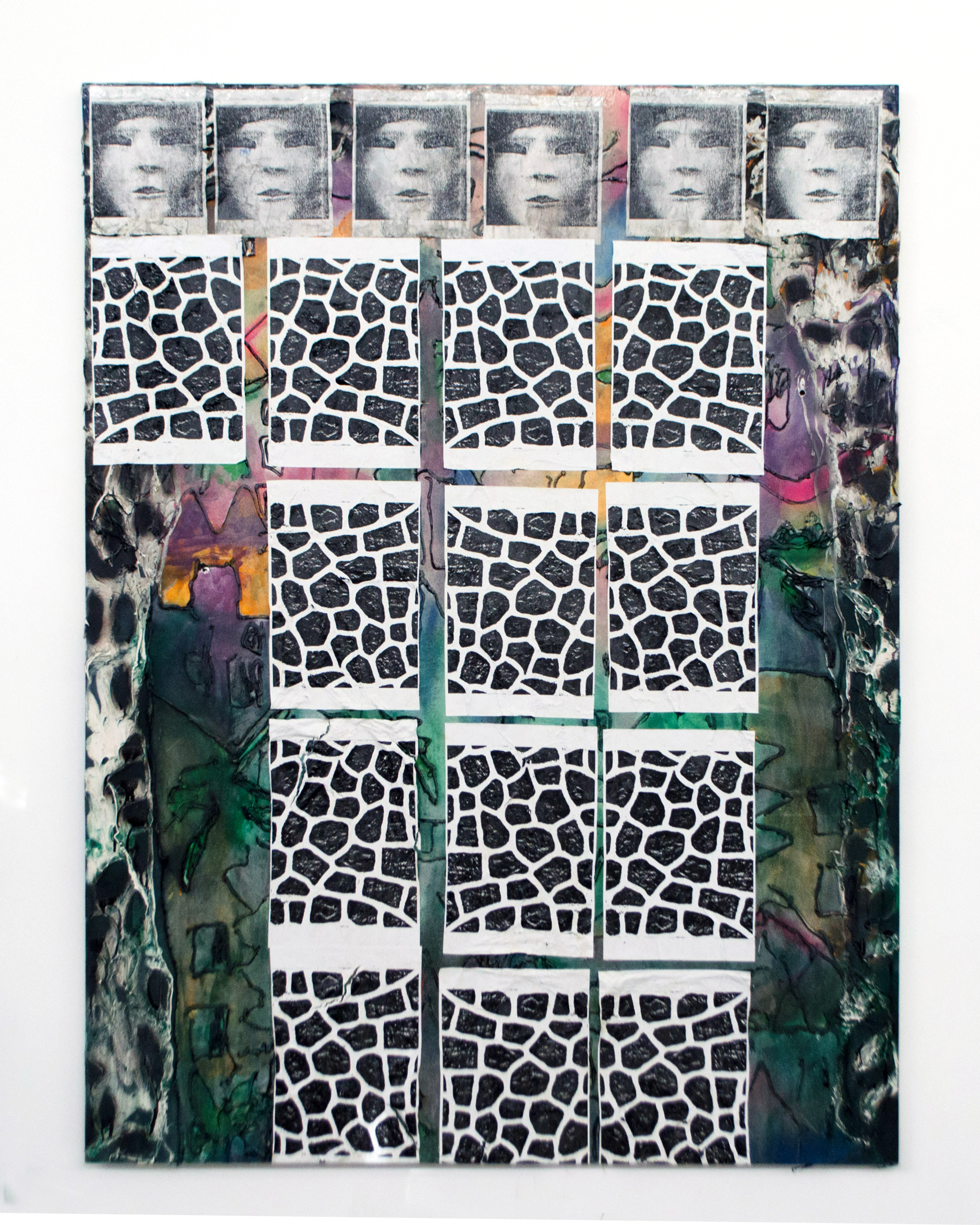
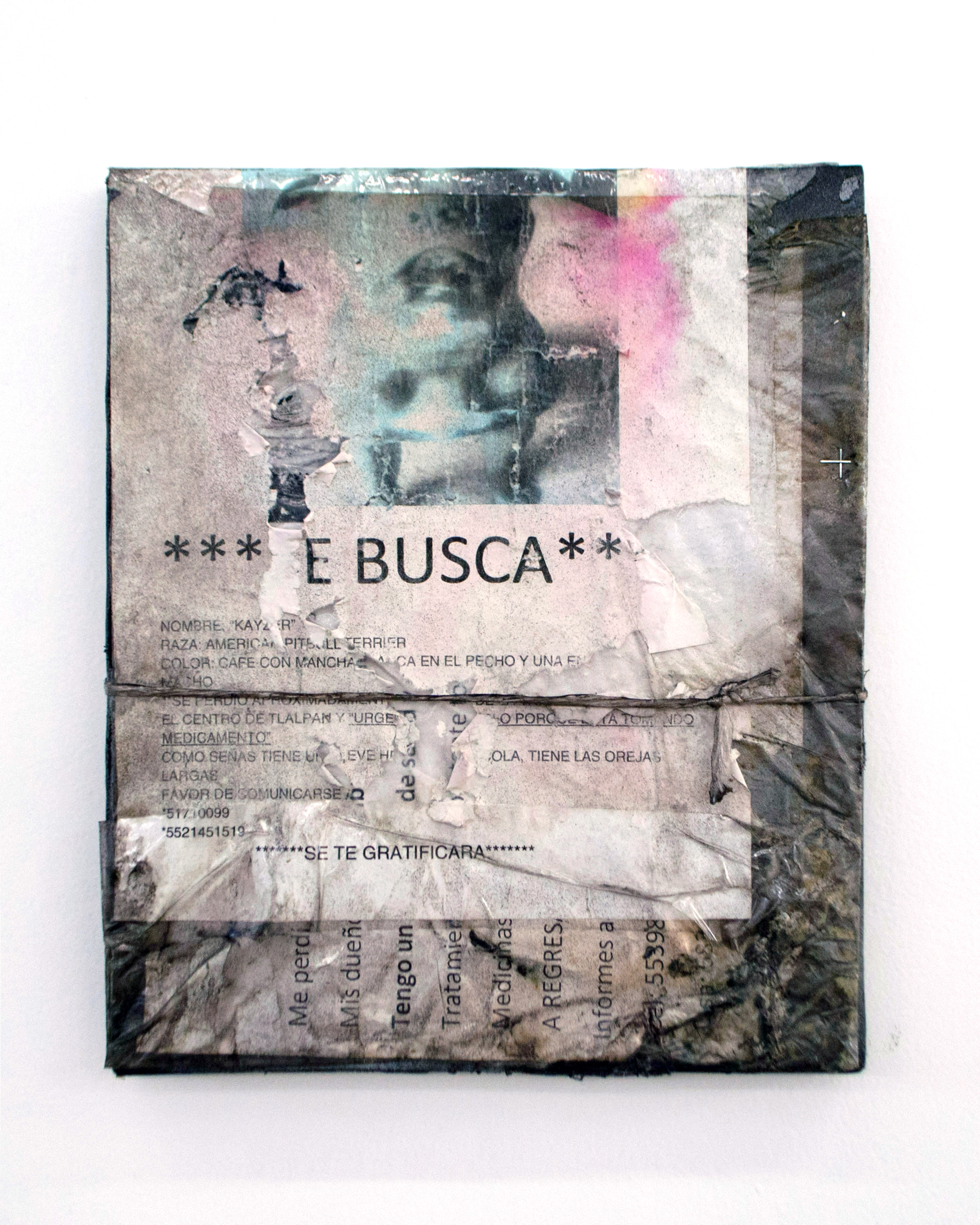
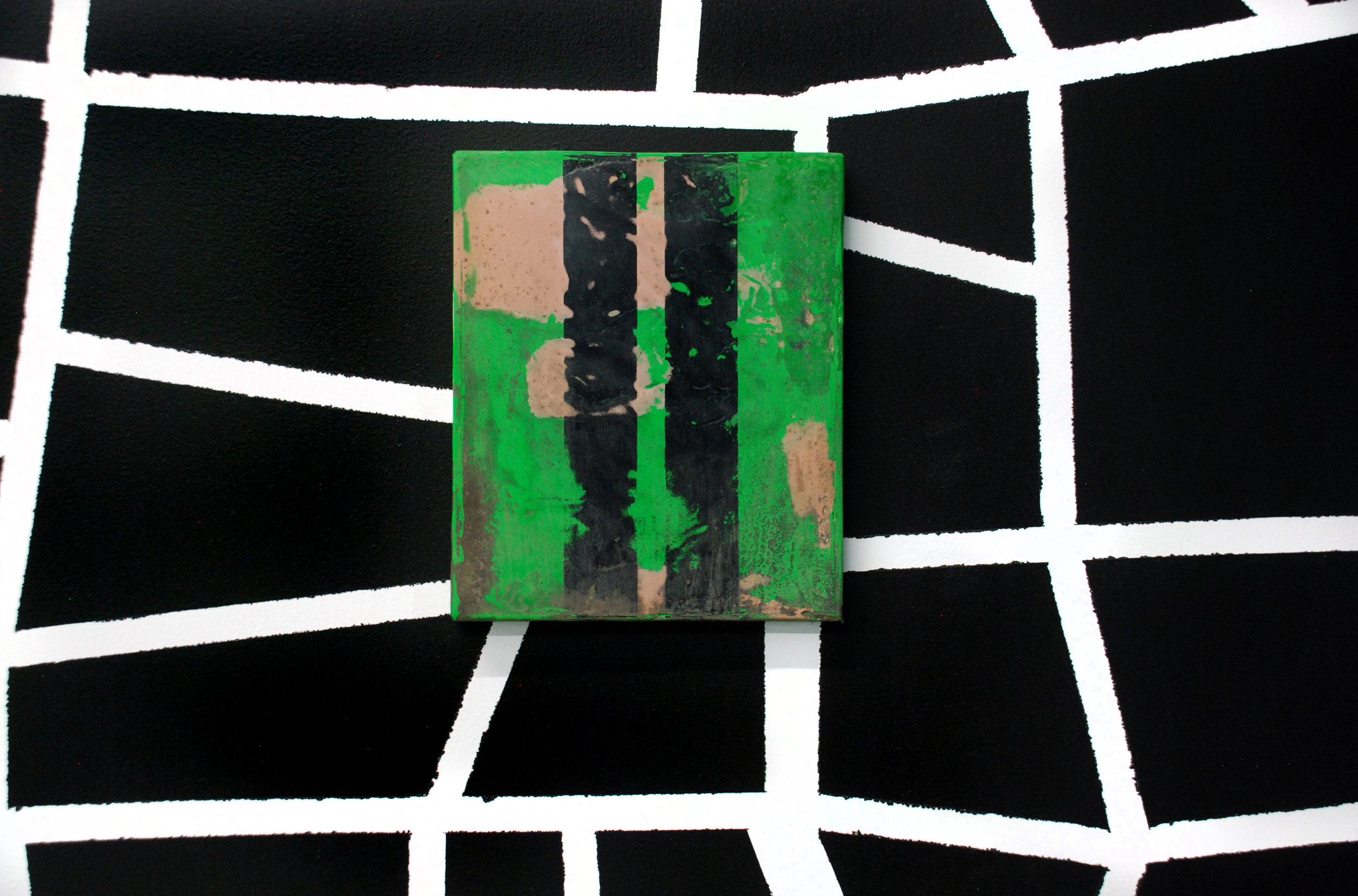
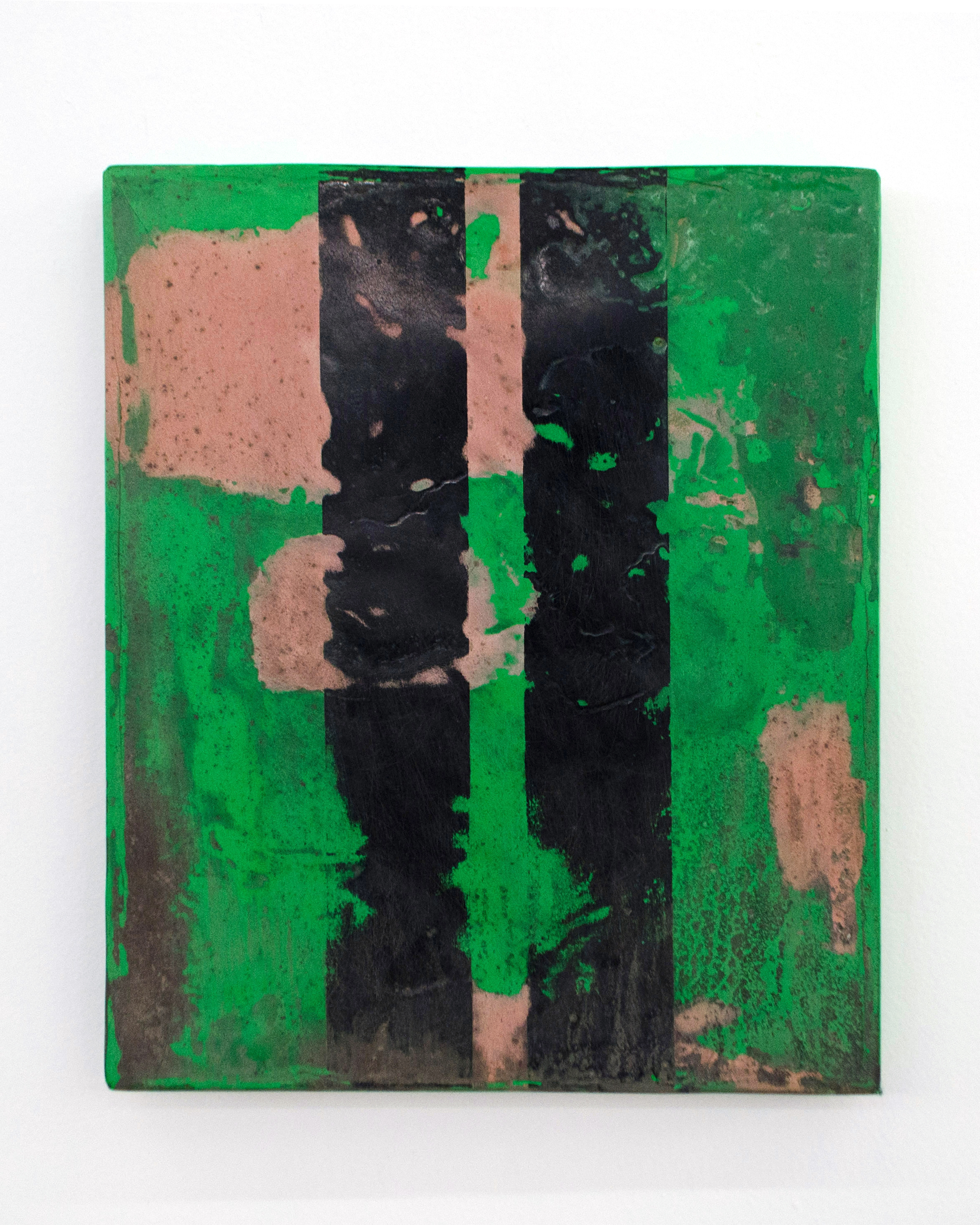
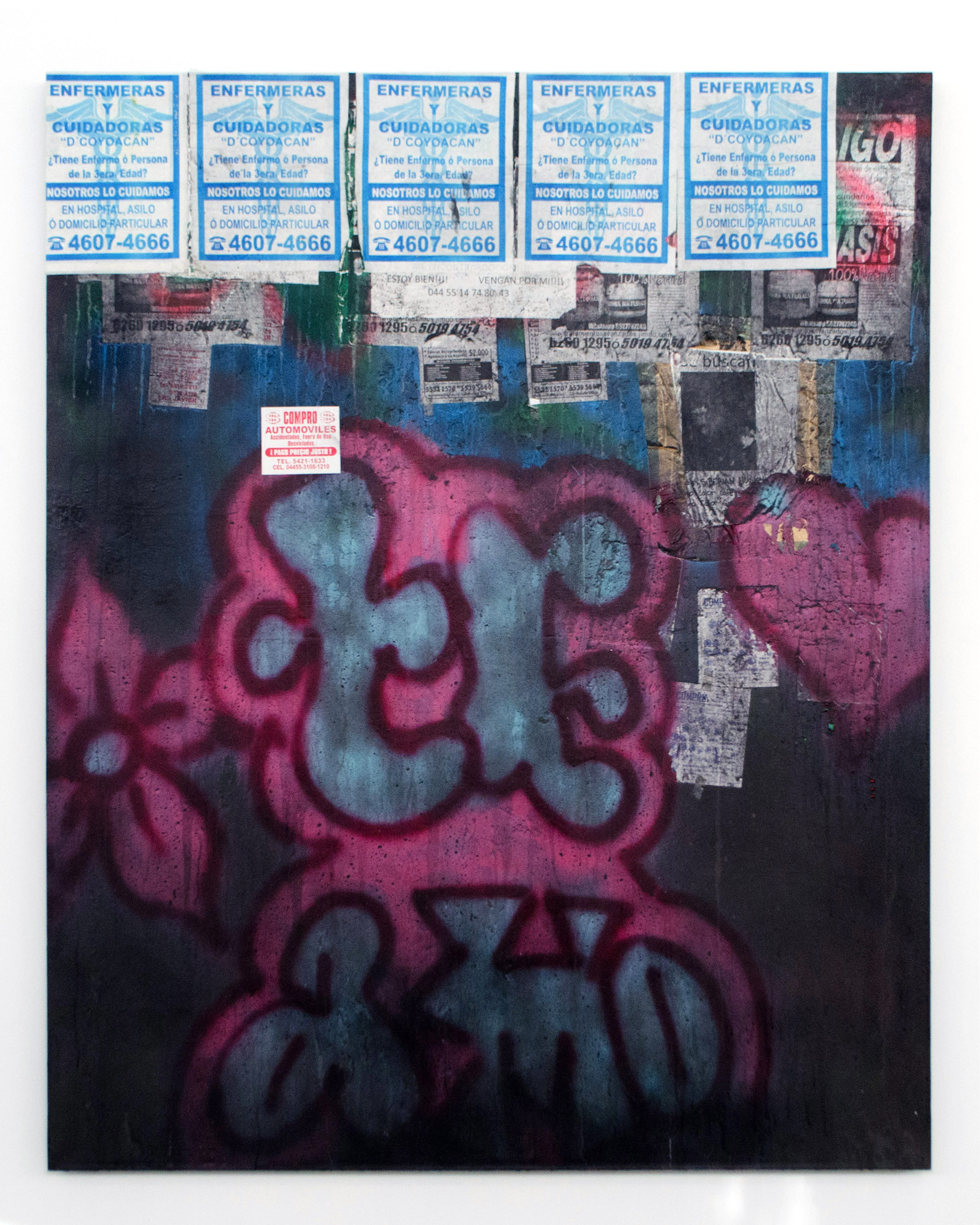
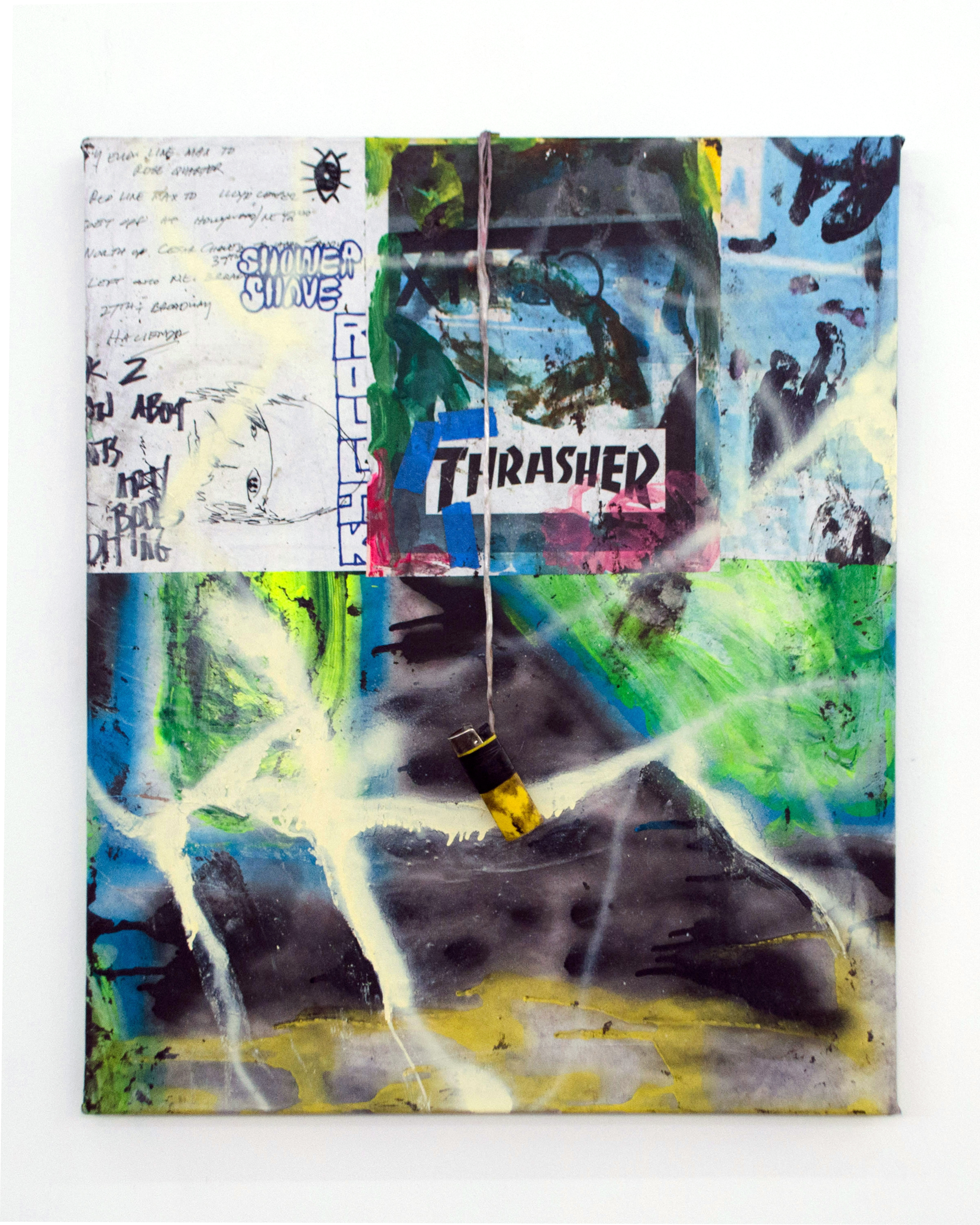
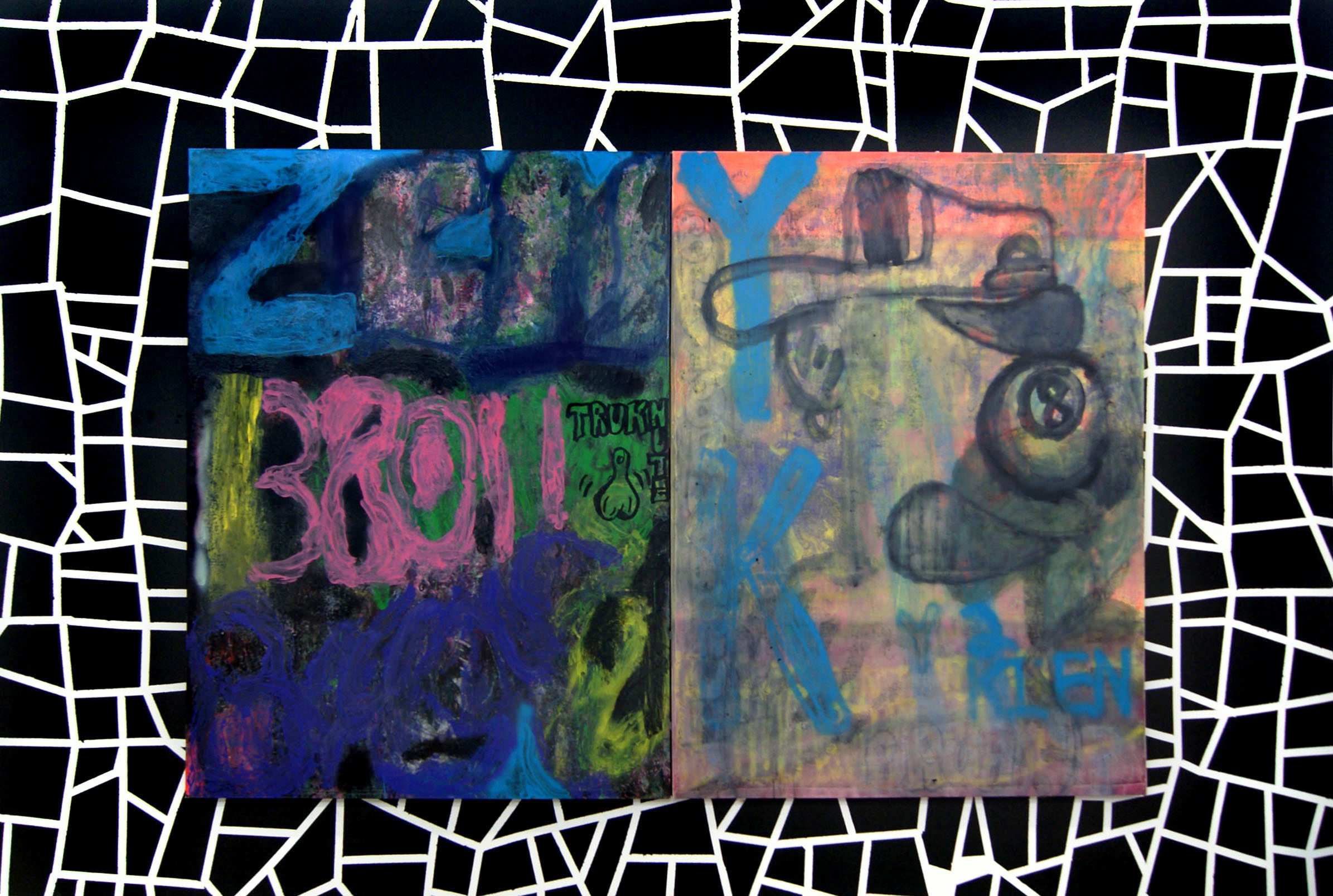
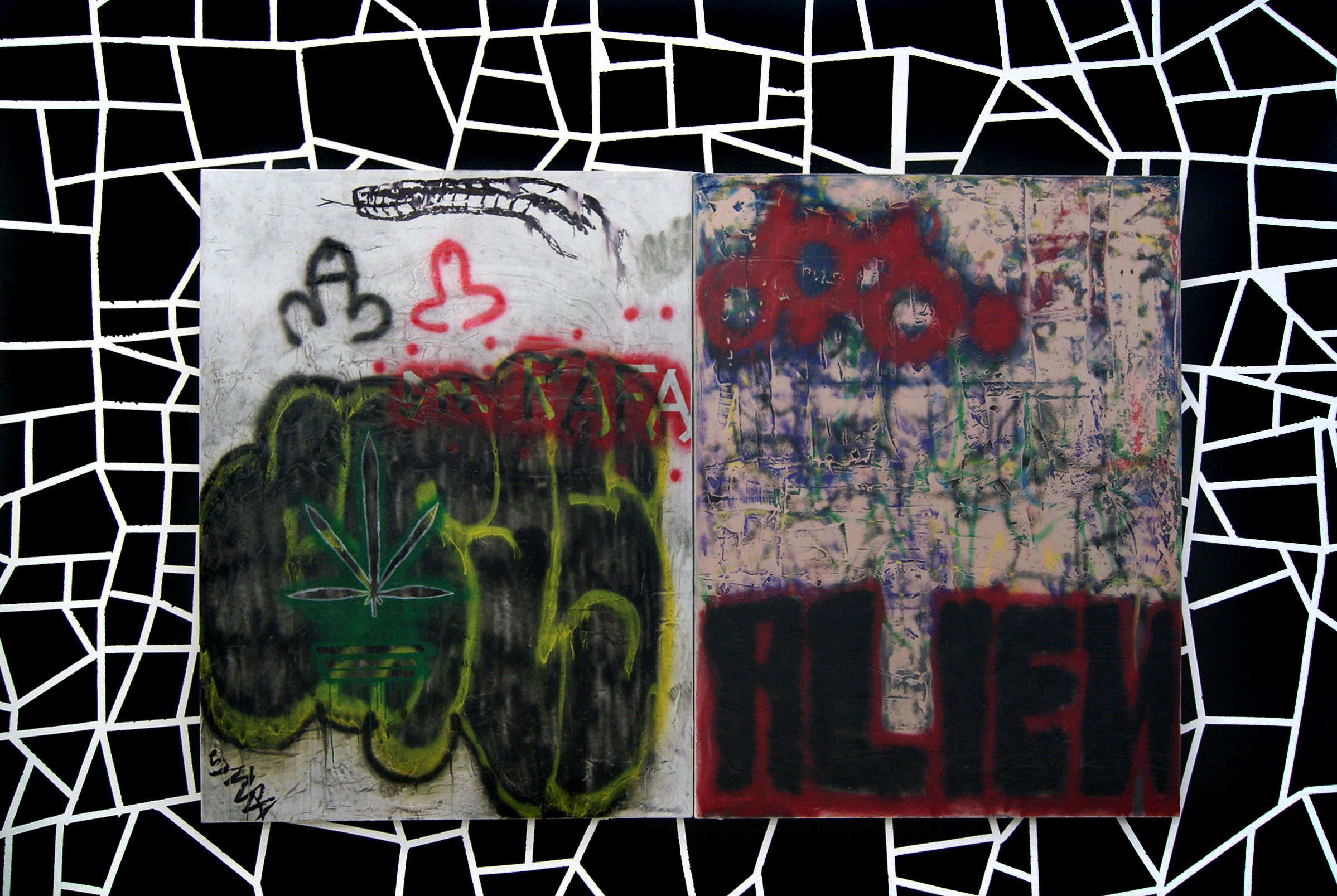
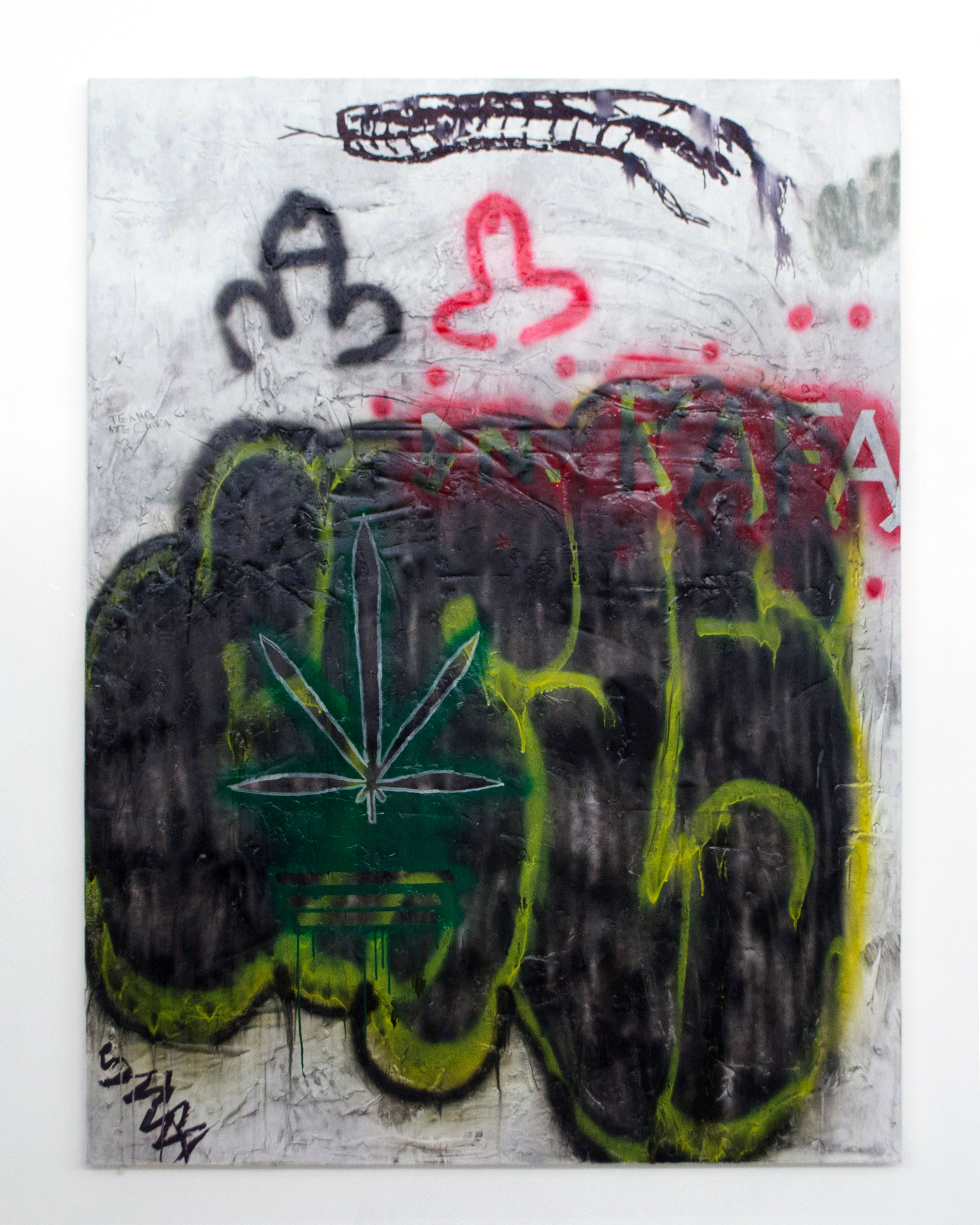
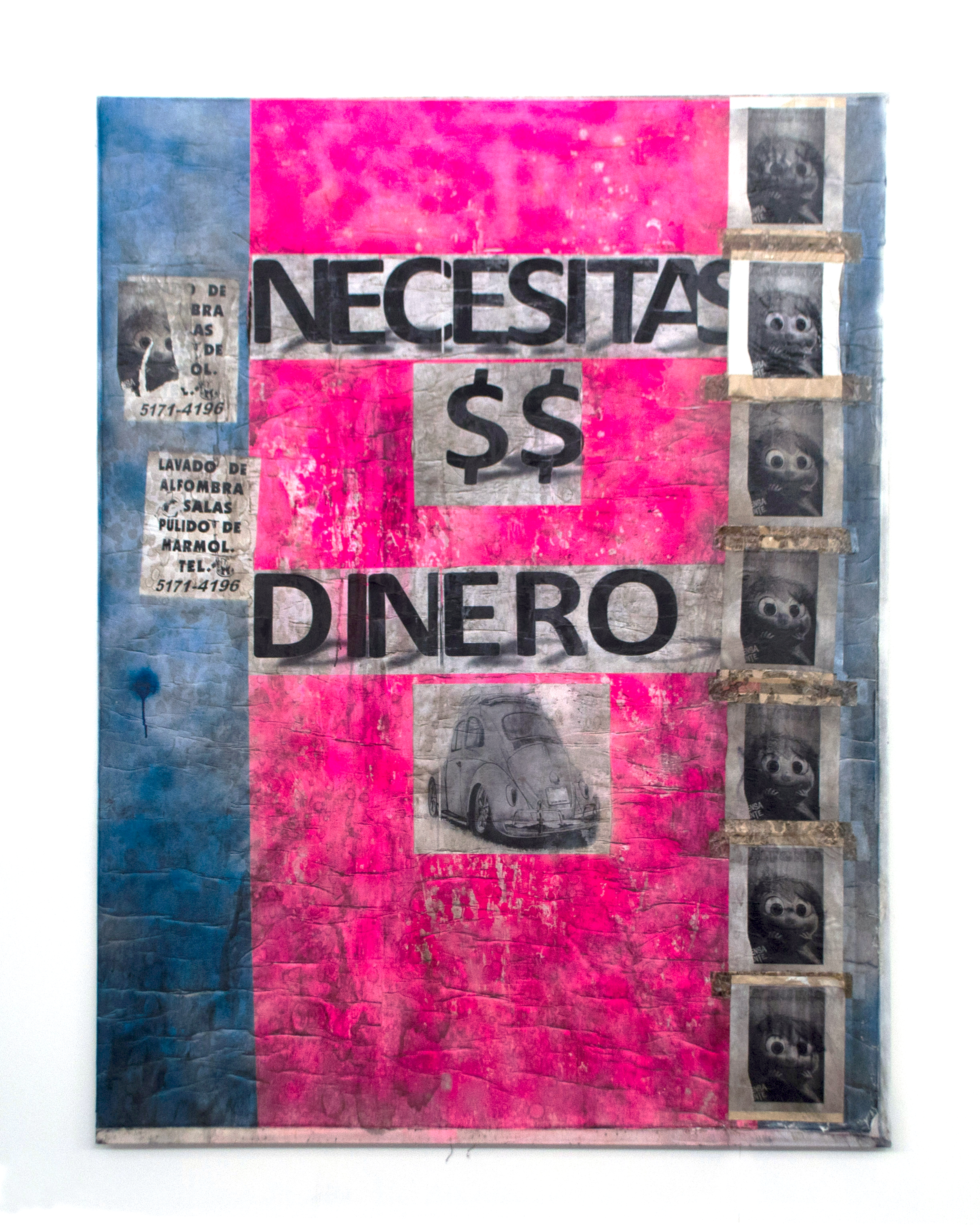
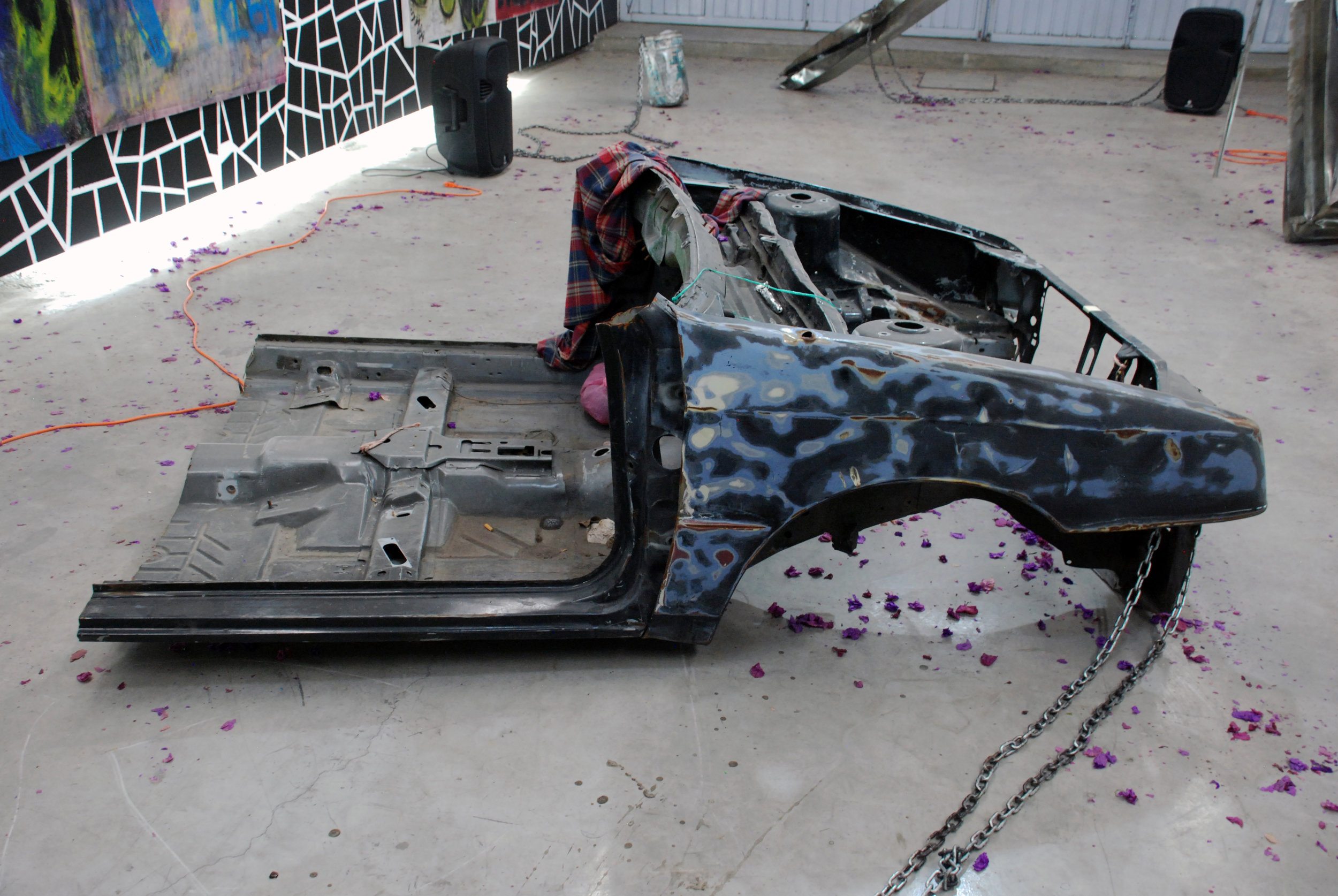
Birk achieves this by working with a range of materials and objects found in the city or easily purchased on the market—industrial products available at any paint or hardware store, the very kind used practically everywhere across the city. Examples include vinyl paints, spray paints, and products like Bondo, used to repair dents and bodywork on cars. Birk draws a parallel between the application process of this product and his own artistic practice. Once sanded, the material yields a finish that—at times—blends the characteristic white of the Bondo with the various hues of automotive paint. This material also appears in some of his two-dimensional works; its application evokes the concrete surfacing found on thousands of urban buildings—surfaces that, over time, have been systematically covered by countless layers of paint (vinyl paint as a coating, spray paint as graffiti, and so on). Certain small-format pieces also display this dense materiality. One such piece—featuring various photocopies, fragments of adhesive tape, and an encircling cord—employs a visual solution that could easily be found on a streetlamp post.
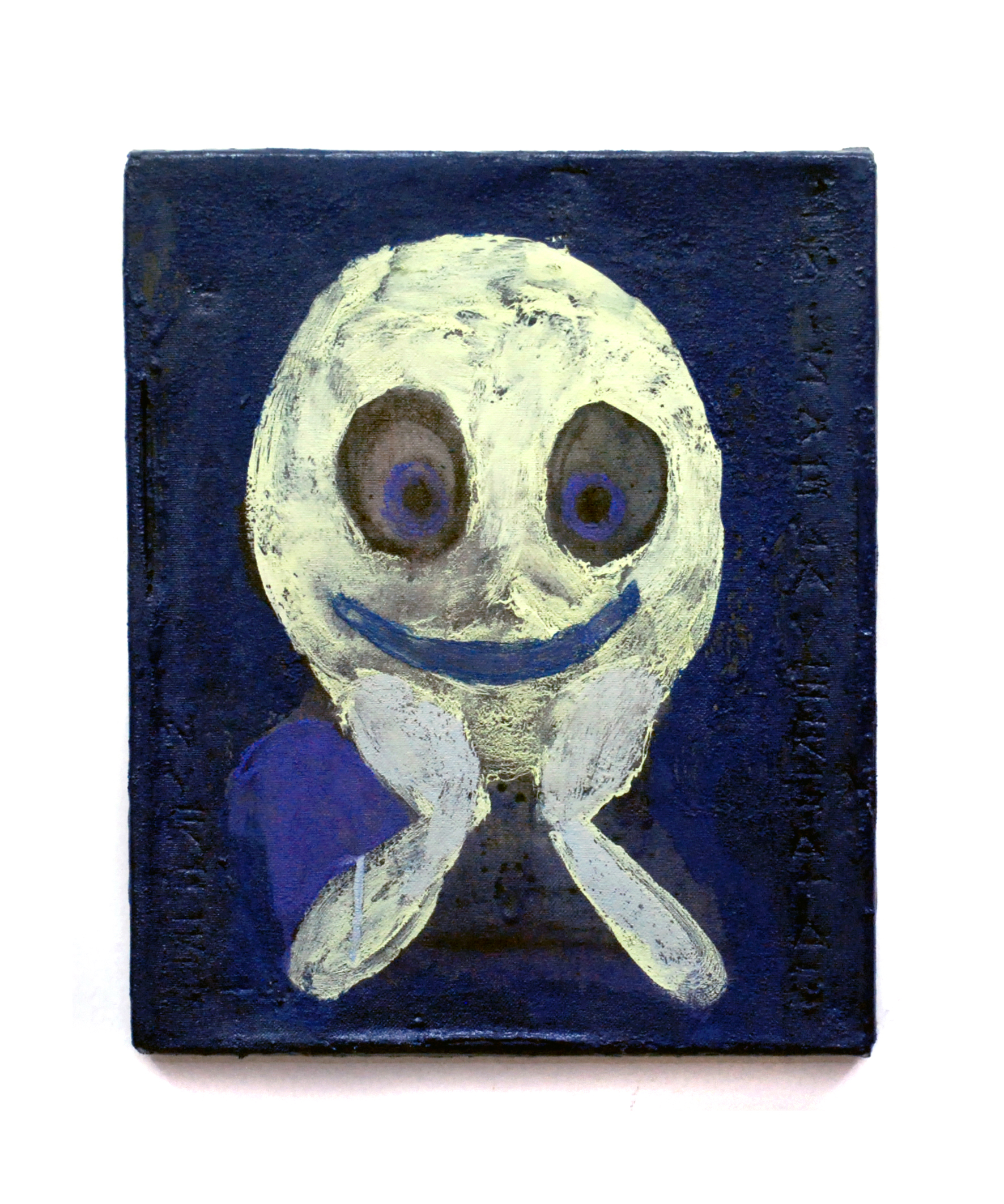
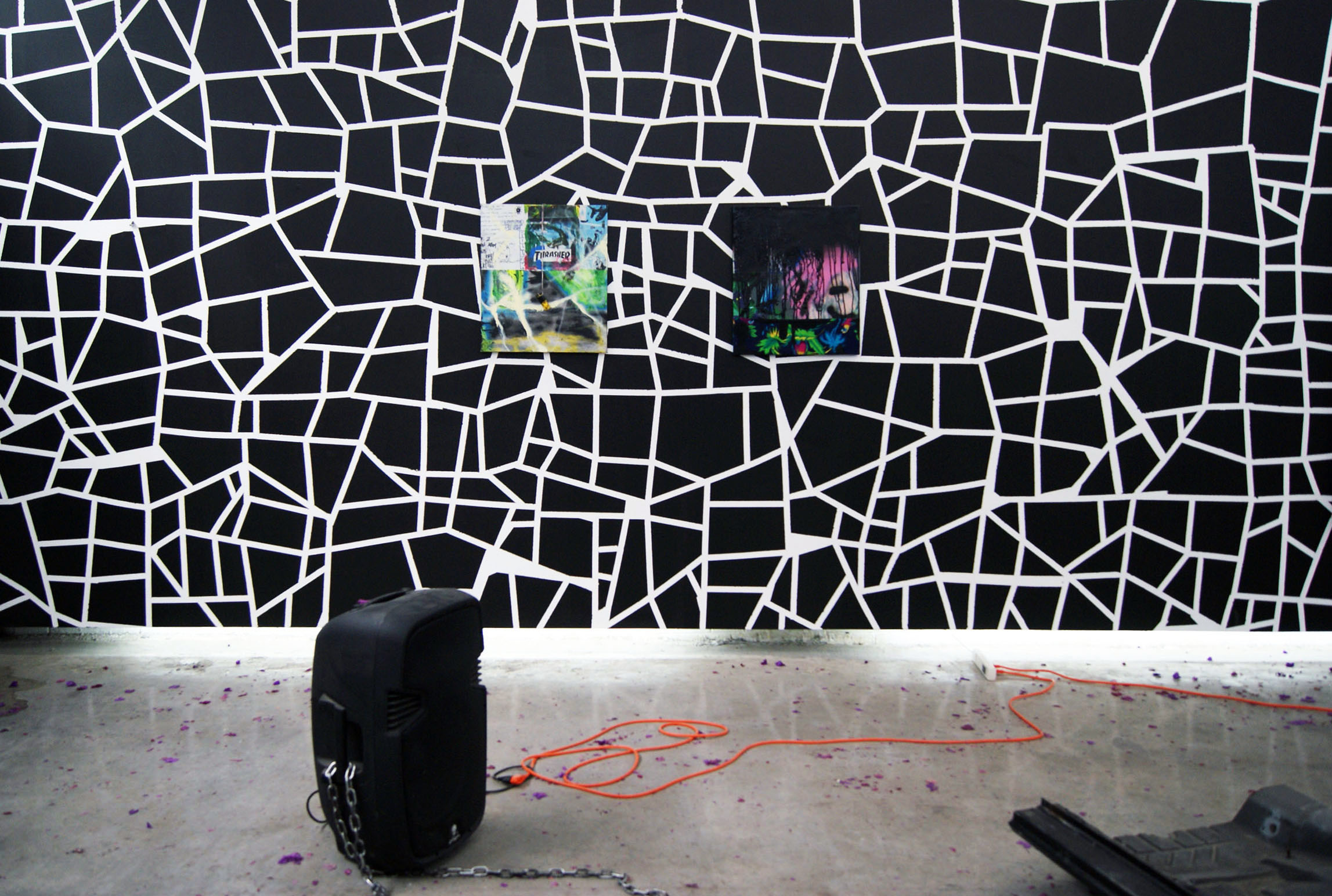
This image of the city is framed by gallery walls painted entirely in black and white, following a grid pattern developed on-site without prior planning. The design evokes the city's many volcanic stone walls—which have been painted black over the years, with white applied to the concrete to clearly delineate the boundaries between individual stones. In this mural-scale painting, Birk does not attempt to render the walls with exactitude; in this sense, Callejero does not aspire to realism. In another, small-format painting, the artist appropriates a cartoon character from the culture industry, transforming it into a strange, seemingly deranged being that appears to be witnessing a city that is itself deranged, frenzied, and vehement. While the barrage of stimuli, the extreme materiality of certain pieces—featuring shards of broken bottles and other shattered, battered objects—may signal and provoke a certain hostility, this finds its counterpart in the inherent sense of unease that characterizes daily life in the city.
-Daniel Garza Usiabaga